

The evolution of casinos A journey through time and chance
The Origins of Gambling
The history of gambling can be traced back to ancient civilizations, where games of chance were often tied to religious or cultural practices. Archaeological evidence suggests that the Chinese played a form of gambling as early as 2300 BC, using rudimentary dice made from animal bones. In ancient Rome, the gladiatorial games not only provided entertainment but also provided opportunities for betting, highlighting the deep-rooted connection between chance and societal events. Modern platforms, such as monacojack.uk, offer a glimpse into how this ancient practice has transformed.
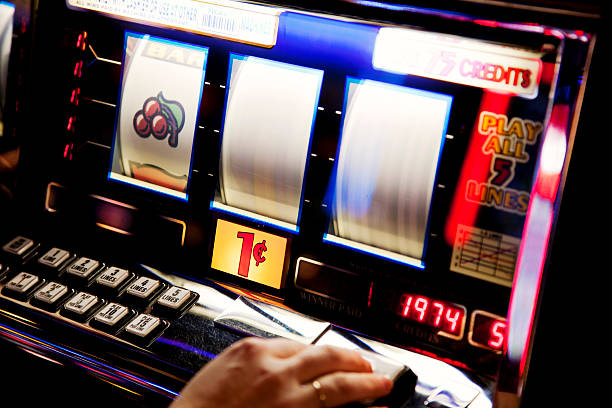
As civilizations progressed, gambling evolved alongside them. In the Middle Ages, various forms of gambling, including dice games and card games, gained popularity across Europe. These games provided a sense of camaraderie and competition, often played in taverns and social gatherings. The establishment of the first gambling houses in Venice during the 16th century marked a significant turning point, as these venues began to formalize betting activities and set the stage for modern casinos.
The emergence of the lottery during this period also played a crucial role in the evolution of gambling. Initially created to fund public projects, lotteries became a popular way for citizens to try their luck. The blend of chance and community projects laid the groundwork for future gambling enterprises, reflecting society’s desire to intertwine risk with reward.
The Rise of Modern Casinos
The 19th century saw the rise of modern casinos, particularly with the establishment of the first official casino in Venice in 1638, known as the Ridotto. This venue set the template for future gambling establishments, featuring a controlled environment where patrons could enjoy various games. The concept of a casino rapidly spread across Europe, with Monte Carlo opening its doors in the 1860s, becoming synonymous with luxury and high stakes.
The introduction of gaming tables and card games, such as baccarat and blackjack, further enriched the casino experience, attracting a new class of gamblers. These venues were often lavishly decorated, creating an ambiance that celebrated wealth and chance. With the allure of the casino came the need for regulation, leading to the establishment of laws governing gambling activities, which helped protect both the players and the integrity of the games.
The expansion of railways in the 19th century also contributed to the growth of casinos. As travel became more accessible, wealthy individuals flocked to casino destinations, fueling a tourism boom. This shift not only changed the gambling landscape but also made casinos integral to the economy of several regions, highlighting their significance beyond mere entertainment.
The Digital Revolution and Online Casinos
The late 20th century heralded a new era in the casino industry with the advent of the internet. Online casinos emerged in the 1990s, allowing players to experience the thrill of gambling from the comfort of their homes. The ability to play various games, including slots and poker, without the need for physical presence revolutionized the gambling experience, making it more accessible to a broader audience.
With technological advancements, online casinos began to incorporate live dealer games, merging the excitement of land-based casinos with online convenience. Players can now interact with real dealers through video streams, maintaining the social aspect of gambling while enjoying the benefits of online play. This innovation has led to a surge in participation, as players seek the thrill of chance without geographical limitations.
Moreover, mobile technology has further transformed the casino landscape. With smartphones and tablets, players can now enjoy casino games on the go. This constant access has changed how players engage with gambling, leading to a growing demand for innovative features and immersive gaming experiences. The integration of virtual reality is on the horizon, promising even more engaging environments that replicate the excitement of physical casinos.
The Social and Economic Impact of Casinos
The evolution of casinos has not only been a journey through time but also one that significantly impacts society and the economy. In many regions, casinos have become major tourist attractions, drawing millions of visitors annually. This influx not only boosts local economies through job creation but also supports various industries, including hospitality and entertainment.
However, the presence of casinos has also sparked debates about responsible gambling and potential societal issues. While they can provide entertainment and economic benefits, concerns over addiction and financial instability persist. Governments and casino operators are increasingly focusing on responsible gambling measures to protect players and ensure that the thrill of chance does not come at a high personal cost.
Casinos also contribute to social dynamics, serving as gathering places where individuals from diverse backgrounds come together. The communal atmosphere fosters connections and experiences, allowing players to share stories and build relationships over a game of chance. However, the responsibility lies with operators to create a safe environment that promotes fair play and enjoyment for all participants.
The Future of Casinos and Online Gaming
The future of casinos appears poised for further transformation as technology continues to advance. Innovations such as blockchain and cryptocurrency are beginning to influence the gambling sector, providing enhanced security and transparency for transactions. This shift could attract a new demographic of players who are eager for modern, secure methods of engaging in gambling activities.
Moreover, the rise of e-sports and fantasy sports is creating a new niche within the gaming industry. Many casinos are now exploring these areas, recognizing their popularity among younger audiences. By embracing these trends, casinos can diversify their offerings and remain relevant in an ever-evolving market.
As online gaming becomes increasingly mainstream, traditional casinos may need to adapt to compete effectively. This could involve integrating online platforms with physical venues, creating hybrid experiences that cater to both in-person and remote players. The future of casinos will undoubtedly be shaped by the balance between tradition and innovation, ensuring that the journey through time and chance continues.

MonacoJack Casino: A Modern Gaming Experience
MonacoJack Casino stands out as a prime example of how traditional gaming has evolved into a modern, user-friendly platform. With a vast array of titles, including slots, table games, and live casino options, it caters to the diverse preferences of players. This site represents the perfect blend of classic casino experiences and contemporary gaming technology.
Offering generous welcome bonuses and ongoing promotions, MonacoJack Casino prioritizes player engagement and satisfaction. Its commitment to user security is evident, as it employs advanced encryption technologies to protect players’ information. Additionally, 24/7 customer support ensures that help is readily available, further enhancing the overall experience.
As the landscape of casinos continues to evolve, MonacoJack Casino exemplifies how operators can thrive in the digital age by combining quality gaming with a strong community focus. This approach not only attracts new players but also fosters a loyal customer base, proving that the journey through time and chance in the casino world is far from over.